Why Solar Energy Is Renewable and Why Understanding Non Renewable Resources Matters for Our Future
Energy shapes the world we live in and influences everything from economic stability to global environmental health. As conversations about climate responsibility grow stronger, businesses , communities and governments are asking important questions about the future of energy. One of the most common questions is simple yet powerful. Is solar energy renewable? At the same time many people want to understand the meaning of non renewable energy resources and why depending on them creates long term challenges.
These questions matter because the future of energy will define the future of growth. Solar energy has emerged as a leading renewable solution and continues to gain momentum as organizations rethink their approach to sustainability and long term investment. With years of expertise in delivering dependable renewable projects GreenCorp Holdings stands at the forefront of this transition.
Is Solar Energy Renewable
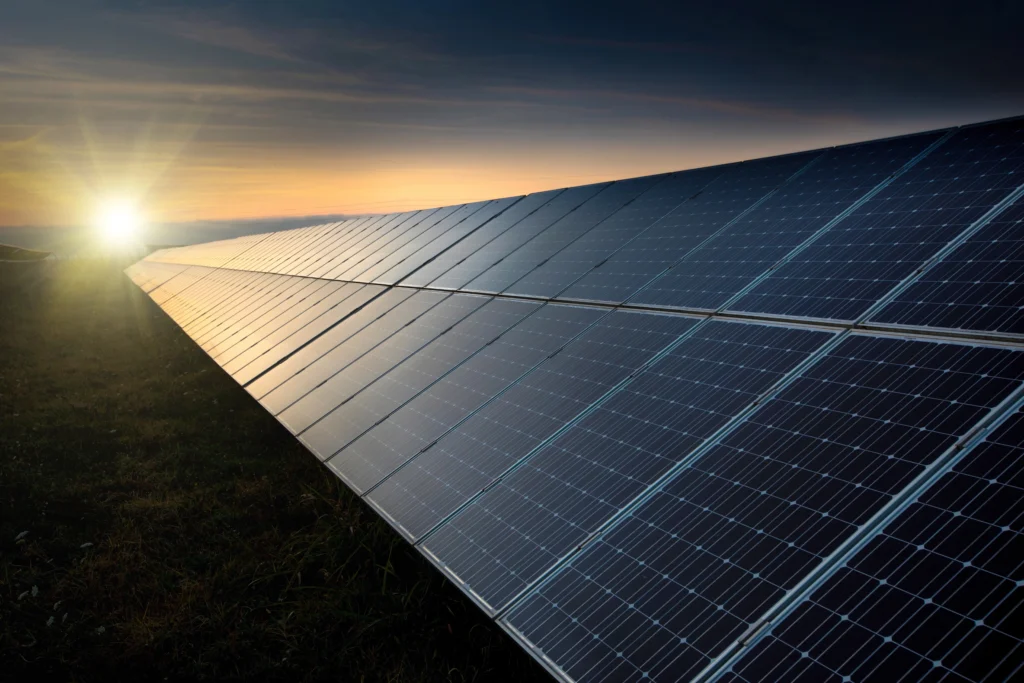
The answer is yes. Solar energy is a renewable resource because it comes from the sun which continually generates light and heat. Unlike fuels that can run out the sun produces energy every day and will continue to do so for billions of years. This makes solar one of the most reliable long term energy sources available today.
Businesses and households benefit from this renewable nature because solar energy does not rely on extraction, transportation or combustion. It is simply collected through panels that convert sunlight into usable power. This reduces pollution lowers operational costs and provides an unlimited supply of clean energy as long as sunlight reaches the Earth.
Solar energy continues to grow in popularity because it supports independence from unstable fuel markets and delivers predictable long term financial value. Choosing renewable energy means choosing long term stability.
Meaning of Non Renewable Energy Resources
To understand the value of solar energy it is important to learn the meaning of non renewable energy resources. Non renewable energy comes from sources that cannot be naturally replaced within a human lifetime. Once they are used up they are gone.
Examples include coal, natural gas oil and certain forms of nuclear material. These resources require extraction from the earth which can cause environmental damage and create long term ecological imbalance. Because they exist in limited quantities their availability continues to shrink while demand continues to rise.
This limited supply is one of the biggest concerns for global energy planning. As resources decline they become more expensive and less reliable. Businesses that rely heavily on non renewable energy face unpredictable operational costs and exposure to market volatility.
Understanding the meaning of non renewable energy resources helps organizations recognize why transitioning to renewable alternatives is essential for future resilience.
Key Differences Between Renewable and Non Renewable Energy
Renewable energy sources such as solar wind and hydropower naturally regenerate and do not run out. Non renewable resources are finite and depleted over time. This difference shapes the long term direction of global energy planning.
Renewable energy produces little to no emissions which supports cleaner air and better environmental health. Non renewable sources release pollutants that contribute to climate change and reduced air quality.
Renewable systems allow businesses to generate their own power which strengthens independence from utility companies. Non renewable energy relies on fuel extraction and global supply chains that often become unstable during economic or political shifts.
These differences show why renewable sources like solar energy play such an important role in the future of sustainable development.
Why Renewable Energy Is Critical for Long Term Growth
Organizations around the world now understand that renewable energy is more than an environmental choice. It is a strategic business decision. Renewable energy supports cost predictability which is vital for planning and long term investment. Solar systems help reduce operational expenses by lowering electricity bills and removing the unpredictability associated with fossil fuel markets.
Renewable systems also support operational continuity. Solar energy reduces the risk of outages caused by overloaded grids or unstable fuel supplies. As businesses expand they require dependable power sources that will not become more expensive or harder to obtain in the future.
Governments and global markets are increasingly rewarding companies that adopt clean energy. Organizations that move toward renewable solutions often gain a competitive advantage through improved public perception and stronger brand trust.
How Solar Energy Supports Long Term Environmental Health
Solar energy produces no harmful emissions during operation. It does not pollute water or soil and does not release greenhouse gases. This makes it one of the cleanest energy systems available today.
By choosing solar businesses reduce their environmental footprint and help create a healthier future for communities. As more organizations and cities adopt renewable solutions the collective result is cleaner air, lower pollution levels and improved climate resilience.
Solar energy also reduces the strain on natural resources. Because the sun provides an unlimited supply of energy solar systems do not contribute to environmental degradation linked with mining drilling or fuel extraction.
How Solar Energy Helps Businesses Become More Competitive
Adopting solar energy lowers operational costs which improves profitability. It also helps organizations demonstrate responsible leadership. Today many customers, partners and investors prefer to work with businesses committed to reducing environmental impact.
Solar energy gives companies the ability to produce clean power on site which improves reliability and reduces dependency on traditional electricity grids. As electricity rates continue to rise businesses that invest in solar energy will remain protected from sudden cost increases.
Companies that adopt solar systems benefit from improved resilience and strengthened financial planning. Solar energy is not just an environmental decision. It is a powerful business strategy that supports long term stability.
Examples of Renewable Energy Success in the Commercial Sector
Across many industries solar energy projects have transformed how organizations manage their operations. Solar installations support manufacturing facilities, technology parks, pharmaceutical companies, educational institutions and commercial real estate developments.
These projects show that solar energy adapts well to different structures and energy needs. When designed and installed with professional expertise solar systems provide exceptional performance consistency and value.
GreenCorp Holdings has delivered commercial renewable projects that highlight the power of solar energy to improve operational efficiency while advancing sustainability goals. These projects demonstrate how renewable solutions can be customized to meet the unique needs of each facility.
Why Understanding Non Renewable Energy Matters for Future Planning
Businesses that continue relying on non renewable energy face long term risks. Fuel shortages, rising costs, environmental regulations and declining resource availability can create uncertainty. Understanding the meaning of non renewable energy resources allows organizations to make better energy decisions.
Knowing that fossil fuels are limited helps companies recognize why renewable sources are essential for long term economic stability. Planning for renewable adoption today helps protect businesses from future disruptions and strengthens their ability to grow.
GreenCorp Holdings Commitment to Renewable Energy Innovation
GreenCorp Holdings remains committed to supporting businesses as they transition toward sustainable energy solutions. Our expertise in delivering commercial solar systems allows organizations to benefit from renewable power that is reliable, efficient and financially beneficial.
We design every project with long term goals in mind ensuring that each solar installation provides measurable value. Businesses looking to navigate the future of energy with confidence can rely on GreenCorp Holdings for expert guidance, transparent planning and proven renewable performance.